Fatty Liver Disease Explained
GENERAL NUTRITION
Beverly Carey
10/21/20253 min read
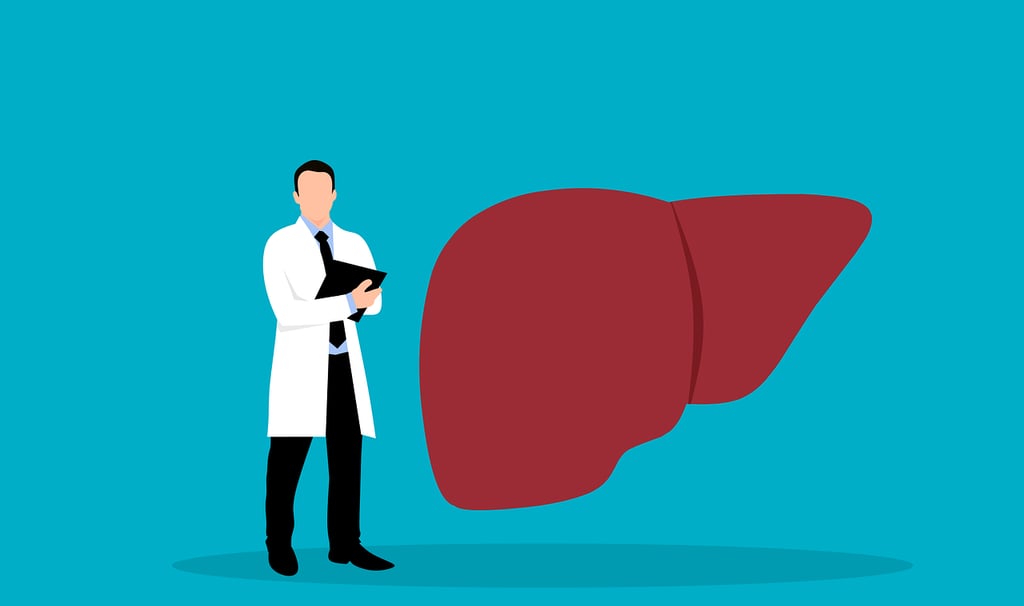
Diseases can happen in the liver. Some start with alcohol abuse or even contracting a virus like hepatitis B. Your liver is an organ the detoxes, stores things, makes things, and changes things.
If you read my other blogs, you may have stumbled upon the topic of insulin resistance. Insulin resistance is when the body fails to use the insulin properly. Insulin is like a truck that drives sugar from the blood into the cells (ie: muscles/organs). When there is insulin resistance, this process is blocked. Therefore the sugar cannot be put into the cell properly, and essentially overflows into the blood.
Insulin also does many other amazing things. When insulin connects to fat stores, it tells the fat store to not pour fat out into the bloodstream. This is probably because it's working on putting the sugar away first. Insulin knows its priorities. With insulin resistance, the insulin cannot properly connect and communicate with fat stores. This means more fat can be released into the blood.
When fat in the blood builds up, it kind of smothers the liver with fat. This smothering of fat can make the insulin inside the liver not work well. This can even make the liver produce more sugar and leak it into the blood. It really is a downward spiral of events.
Think of the liver like a warehouse manager. Under healthy circumstances, the manager can communicate with other responsible people. Insulin is the manager telling the warehouse "stop accepting more shipments." With insulin resistance, the managers voice is muffled. Shipments keep arriving unannounced, processing lines are in overdrive, and the storehouses are overflowing. This makes the workers slow and inefficient.
The good news is you can stop this! What can you do to help improve insulin resistance? The short answer is to improve your body's insulin sensitivity.
Guidelines recommended weight loss of about 5-10% (ex: 8-15 pounds for an 150 pound person) body weight to be helpful in improving fatty liver and insulin resistance. However, as a practicing dietitian, I think there is more to the story. I don't think it's overly effective to obsess over the amount of pounds lost. I believe building muscle and losing belly fat is very important. A scale may misrepresent your body because muscle is very small, dense, and heavy. Fat takes up much more space than muscle.
Building muscles (thigh muscles specifically) are important in maintaining your insulin sensitivity, reducing your insulin resistance, and combating fatty liver. Your thighs are your insulin sensitivity. If your thigh muscles are large, they suck-up sugar for energy. This is the same sugar that the insulin is trying to cram into your cells. This leaves the body much better able to regulate. So yes, go G.I. Joe on building leg muscle. The bigger the better.
Losing inches off your waist (measured with a measuring tape) may be more effective than a scale, especially in the long term. Skinny legs don't tend to predict good outcomes, even if you are only 90 pounds. Losing about 1 1/2 to 3 inches off your waist is probably a good idea. A couple inches around the belly is similar to 5-10% weight loss. Belly fat is also the most important type of fat to lose. Fat doesn't only attach to your skin and muscle, it can be wrapped up like spider webs around your organs. Belly fat may indicate that the fat is attached to your organs under your muscle. This, as you can imagine is not very healthy.
The moral of the story is: there is something you can do fatty liver (and it doesn't have to be as gruelling as starving yourself).
Stay tuned for nutrition with fatty liver, upcoming in a later blog.
Nutrition
Empowering you with straight-forward nutrition guidance.
Support
Health
help@therealdietitian.net
© 2025. All rights reserved.
AI may be used in some writing for sentence structure and paragraph organization. However, all ideas are based on my own clinical judgement and evidence-bases such as scientific studies and professional guidelines.